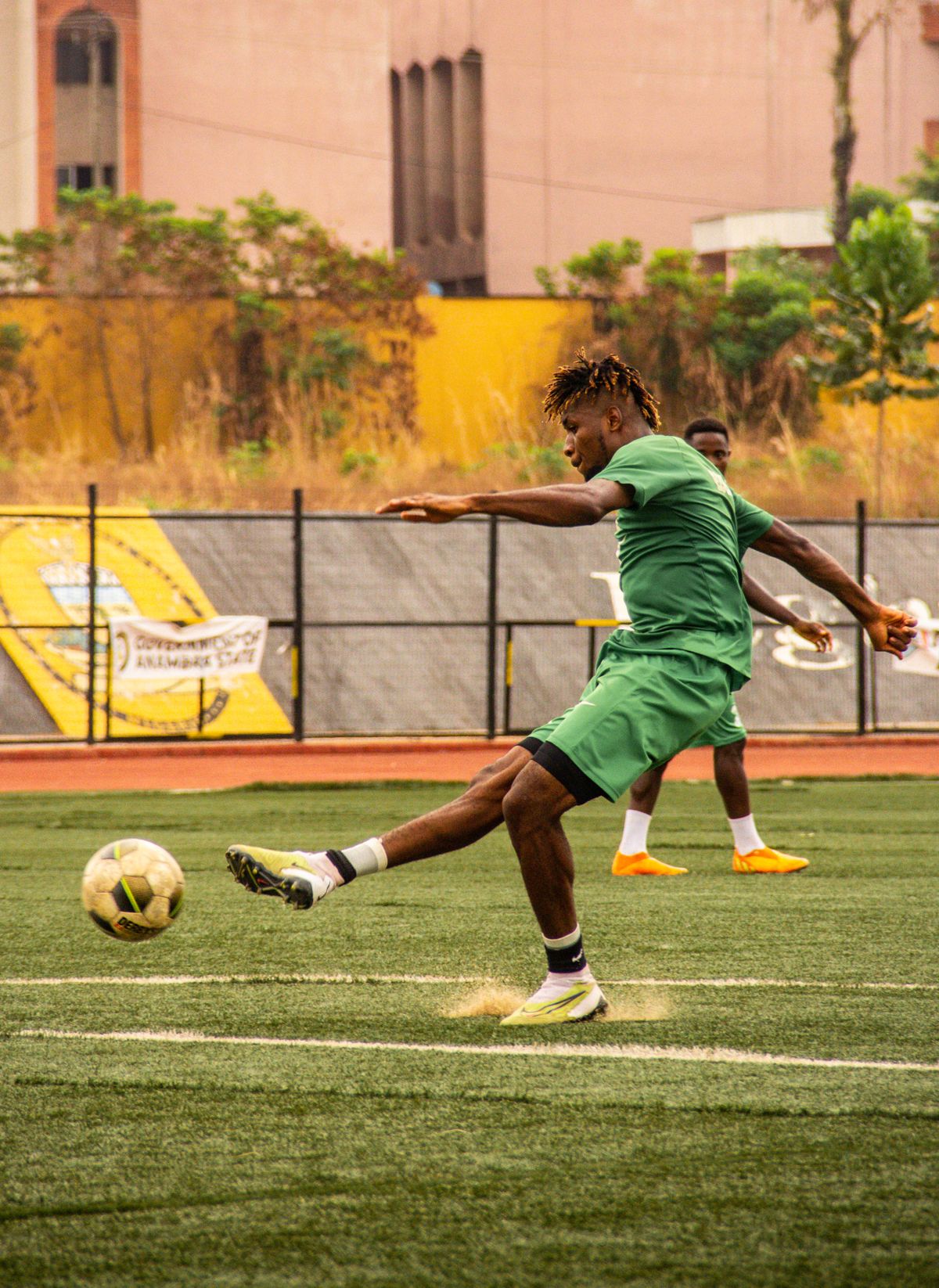
Watch a top side and you will hear them before you see the pattern: short calls, constant information, problems solved out loud. Communication is a trainable skill, and teams that train it concede fewer cheap goals.
Build a shared vocabulary
Great teams use few words with fixed meanings — "turn", "man on", "squeeze", "drop". Agree the calls in training, rehearse them in small-sided games, and demand them in matches. A call nobody understands is just noise; a call everyone trusts is a second pair of eyes.
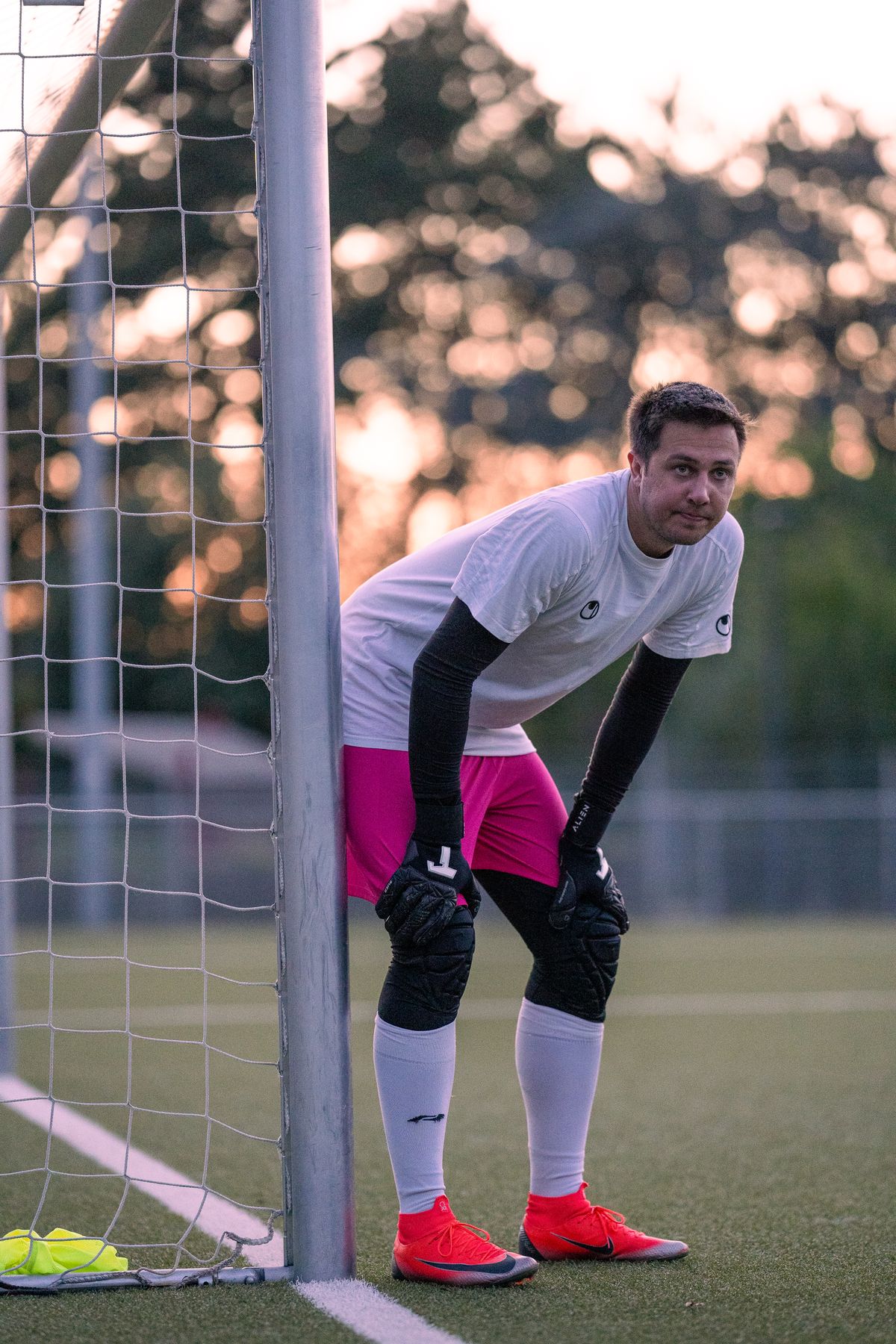
Talk early, talk positively
Information must arrive before the ball does. The best communicators scan, decide and speak in one motion — and they keep it constructive. "Unlucky, next one" keeps a winger taking players on; silence or blame shuts them down for the half.
Leaders set the volume
Volume is contagious and it starts with the spine: keeper, centre-back, central midfielder, striker. When those four never stop talking, the whole team talks. Young players should be coached to call from day one — shyness is a tactical problem, not a personality trait.
Takeaways
- Agree a short set of calls and rehearse them weekly.
- Deliver information before the ball arrives.
- Keep every message constructive and specific.
- Demand constant talk from the spine of the team.