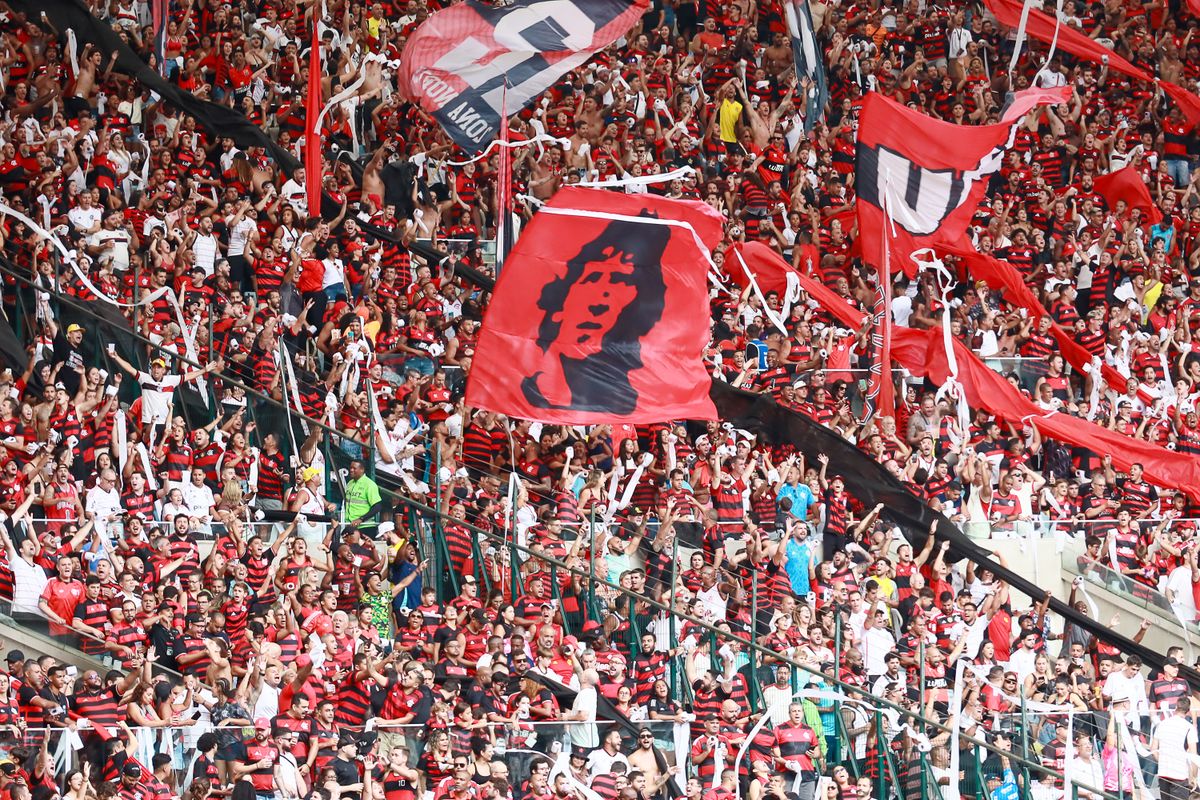
Every football nation has a fixture that stops the clocks. Rivalries compress decades of geography, class and near-misses into ninety minutes — and the game has always been better for them.
Why derbies forge better players
Ask any veteran about their debut in a rivalry match and they will describe the noise first. That intensity compresses learning: decisions come faster, duels mean more, and young players discover whether they thrive or shrink under pressure. Coaches at every level use derby weeks to test mentality, not just tactics.
The tactical imprint runs deep too. Catenaccio, gegenpressing and the low block all hardened in fixtures where losing was unthinkable and caution carried its own logic.

Respect keeps the fire healthy
The great rivalries endure because both sides need each other. The choreography of flags, songs and full houses lifts players and funds academies — but only while it stays inside the ground. Our own coastal derby with Ironhold United sells out Kestrel Park twice a season, and the rule is simple: relentless noise, zero abuse.
What rivalries teach young squads
We take our academy groups to derby night as a lesson in occasion management — warm up the same, breathe the same, play the same. When the stands shake and the plan holds, players carry that composure into every ordinary Tuesday that follows.
Takeaways
- Derbies accelerate young players' mental development.
- Many iconic tactics were born in rivalry fixtures.
- Atmosphere is a weapon only when respect holds.
- Prepare for the occasion, then trust the routine.